Burrito Cat Embroidery Design Review
A First Look at Burrito Cat
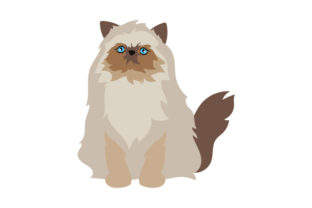
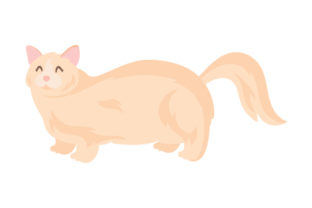
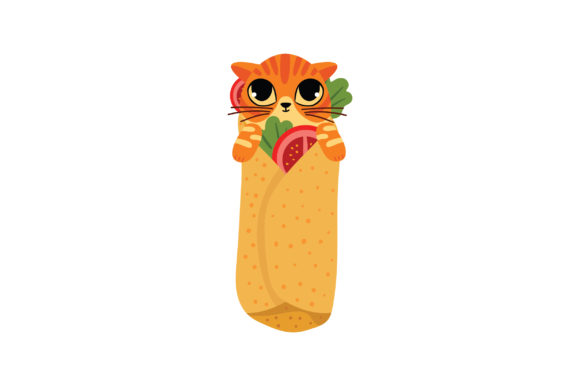
When I first opened the Burrito Cat embroidery design file, it immediately brought a sense of playful charm to my workspace. The character is undeniably cute, with a round, soft shape that feels like a perfect fit for casual and whimsical projects. Its design leans into the “cute but not too cutesy” vibe, which makes it versatile enough for a range of audiences—from kids to adults who appreciate lighthearted aesthetics.
The layout is balanced and well-proportioned, with subtle details in the fur texture and expressive eyes that give the cat personality without being overly complex. It’s clear that this design was created with real-world embroidery in mind, avoiding unnecessary intricacy that could complicate stitching on fabric.
How Burrito Cat Performs in Real Projects
Let’s imagine using Burrito Cat on a custom embroidered tote bag. The design’s size and simplicity would translate well to a medium hoop size, allowing the cat to sit comfortably in the center or corner of the bag without overwhelming the space. The use of satin stitch and fill stitch areas gives the cat a smooth, polished look, while the running stitches around the edges add a touch of handcrafted charm.
This design would work beautifully on a variety of items: from sweatshirts and tote bags to pillow covers and even aprons. For baby clothes, the gentle and non-irritating nature of the design makes it a safe choice. As an embroidered patch, it could be sewn onto jackets, backpacks, or denim pieces for a personalized touch.
Etsy sellers and craft business owners might find this design especially appealing for personalized gifts or nursery decor. It has a warm and inviting feel that would resonate with customers looking for something unique yet approachable.
Where to Use Burrito Cat with Caution
While Burrito Cat is a strong design, there are scenarios where it needs careful consideration. On small hoop sizes, the detail may get lost or appear cramped. Similarly, when working with textured fabrics or thin materials, the stitch density should be adjusted to prevent puckering or distortion.
If you plan to embroider this design on dark fabric, testing thread color contrast is essential. A white or light-colored version of the design may need to be used for visibility. Additionally, if placing the design on curved surfaces like caps or hats, some repositioning or resizing may be necessary to maintain its visual appeal.
For commercial embroidery, ensure that the design is compatible with your machine and that the stabilizer is properly chosen to support the fabric during stitching. Always test the design on scrap fabric before committing to a final product, especially if the project involves layered garments or frequent washing.
Design Notes for Embroidery Professionals
As a designer, I recommend starting with a test run on scrap fabric to see how the thread colors interact with different backgrounds. This helps avoid surprises later, especially if you're planning to offer printable mockups or digital embroidery files for clients.
Review the stitch density to ensure it's suitable for the fabric type you're using. If the design includes small details or tiny lettering, make sure they remain visible after stitching. Also, consider whether the design works for both personal projects and commercial use, and always confirm the licensing terms before selling finished products or digital assets.
For handmade products, the Burrito Cat adds a sense of warmth and character that can elevate the overall presentation. It's also a great option for holiday embroidery or gift items, as it carries a friendly and relatable image that appeals to a wide audience.
Finally, don’t forget to compare the design on both light and dark fabric backgrounds to ensure it remains visually appealing across different mediums. Whether you’re creating custom apparel or small shop products, this design has the potential to enhance your offerings with its cheerful and recognizable style.