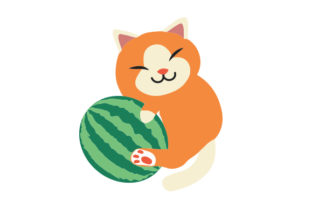
Cat Hugging Watermelon Embroidery Design
A Playful Charm with Practical Appeal
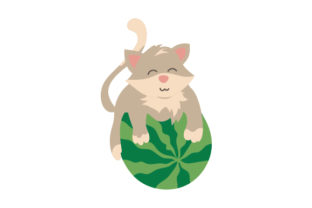
When I first saw Cat Hugging Watermelon, it immediately caught my eye with its whimsical charm. The design captures the cuteness of a cat wrapped around a watermelon, creating a sense of fun and lightheartedness. It feels like a perfect blend of humor and innocence, which makes it ideal for projects that aim to bring joy or serve as a conversation starter.
The layout is simple yet expressive. The cat’s posture and the watermelon’s round shape create a natural balance that works well in both small and larger embroidery applications. The detail level is just right—not too intricate that it becomes overwhelming, but enough to give the image character and personality.
Real-Life Application: Custom Tote Bag Design
Let me imagine using Cat Hugging Watermelon on a custom embroidered tote bag. This would be a great way to showcase the design while keeping the overall look clean and appealing. The tote bag is a common item for crafters and small business owners, especially those targeting a younger audience or families.
I can see this design working beautifully on a medium-sized tote. The cat's size and placement would make it stand out without overpowering the fabric. It would also add a playful touch that could attract attention at craft fairs or Etsy shops.
However, I would consider the fabric texture and color contrast. If using a light-colored fabric, the design will pop more. For darker fabrics, ensuring good thread color contrast is essential. Testing the design on scrap fabric first is always a good idea to check how the stitches will lay and how the colors interact with the background.
Embroidery Performance Across Various Projects
Cat Hugging Watermelon has a wide range of potential uses. From custom apparel like sweatshirts and t-shirts to handmade products such as pillow covers and aprons, this design brings a unique flair to any project. It’s also suitable for personalized gifts and holiday embroidery items, making it versatile for different occasions.
For sweatshirt embroidery or tote bag design, the design’s simplicity ensures it won’t lose clarity even when viewed from a distance. When used as an embroidered patch, it can become a standout feature on jackets, backpacks, or hats. However, if placing it on curved surfaces like caps or hats, extra care must be taken to ensure the design maintains its integrity and doesn’t distort during stitching.
On baby clothes or nursery decor, the design adds a gentle and friendly element that appeals to parents looking for cute, non-threatening imagery. On the other hand, for commercial embroidery projects, the design needs to be evaluated for consistency across multiple units to maintain brand recognition and quality control.
Where to Use with Caution
While Cat Hugging Watermelon is a delightful design, there are certain situations where it should be used carefully. For instance, on small hoop sizes, the details might get lost, so confirming the appropriate hoop size is crucial. Similarly, on textured fabrics or thin fabric, the design may not stitch as smoothly or clearly.
If planning to use the design on stretchy fabric, adding a proper stabilizer will help prevent distortion. Also, for dark fabric backgrounds, selecting the right thread colors that provide sufficient contrast is important to maintain visual appeal.
Projects that require frequent washing, such as pillow covers or kitchen towels, need to be tested for durability. Additionally, if incorporating the design into layered garments or decorative accents, considering the layering effect and how it interacts with other elements is key.
Design Notes for Embroidery Professionals
As a designer, I recommend testing Cat Hugging Watermelon on scrap fabric before committing to a full project. This allows you to evaluate stitch density, thread colors, and how the design interacts with the fabric texture. Checking the stitch density is particularly important to avoid overcrowding the design, which can lead to stiffness or distortion.
Reviewing the embroidery file formats—SVG, Transparent PNG, EPS, DXF—is helpful for understanding compatibility with different machines and software. Confirming whether the design works for both personal and commercial projects is also essential, especially if planning to sell finished items or digital product previews.
Before using the design for craft business or Etsy seller purposes, always check the licensing terms to ensure compliance. Ensuring that the design aligns with your brand identity and product line is crucial for maintaining brand consistency and customer trust.
Finally, using printable mockups or design assets can help visualize how the final finished product will look, giving you confidence in your choices before production.