Cat Scientist Embroidery Design Review
First Impressions of Cat Scientist
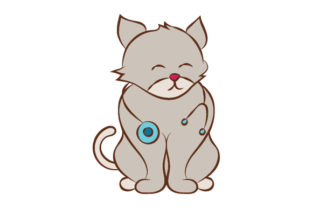
When I first opened the Cat Scientist embroidery file, I was immediately drawn to its playful yet intellectual vibe. The design captures the whimsy of a cat with a magnifying glass and a lab coat, perfectly blending curiosity and feline charm. It’s a clever concept that feels both cute and clever, making it an excellent fit for projects that aim to appeal to pet lovers and science enthusiasts alike.
The layout is balanced and well-proportioned, with enough detail to give the cat personality without overwhelming the eye. The use of clean lines and soft curves gives the design a friendly, approachable look that works well across various embroidery applications. Whether you're thinking of a custom sweatshirt or a handmade patch, this design has a strong visual presence that stands out without being too busy.
Real-Life Scenario: Custom Embroidered Tote Bag
Let’s imagine preparing a custom embroidered tote bag using Cat Scientist. This scenario helps test how the design translates from digital files to real-world stitching. A tote bag is a great medium because it allows for larger hoop sizes and provides a flat surface that's ideal for machine embroidery.
On a light-colored fabric like cotton canvas, the design comes to life with clarity. The contrast between the cat’s features and the background ensures that even small details—like the magnifying glass or the lab coat—are visible. However, if the fabric is dark or textured, the design might require adjustments in thread color or stabilizer use to maintain its sharpness and definition.
I would recommend testing the Cat Scientist design on scrap fabric first. This step helps assess stitch density, especially around the cat’s face and the intricate parts of the magnifying glass. If the design has dense areas, using a proper stabilizer becomes essential to prevent puckering or distortion.
Where Cat Scientist Shines
Cat Scientist is versatile and can be used across a wide range of embroidery projects. Here are some of the best applications:
- Custom Apparel: Sweatshirts, t-shirts, and caps make great platforms for this design. The cat’s expression and posture lend themselves well to personalized gifts or boutique branding.
- Embroidered Patches: The design is suitable for creating patches that can be sewn onto jackets, backpacks, or even kids’ clothing. Its size and detail work well on standard hoop sizes.
- Tote Bags and Pillow Covers: These items offer ample space for the design to shine without feeling cramped. The cat’s pose and accessories are perfect for adding a touch of humor and creativity.
- Baby Items: From onesies to blankets, Cat Scientist adds a fun, educational twist to baby products, appealing to parents who want to spark curiosity in their children.
- Commercial Embroidery: For Etsy sellers or small shop owners, this design can be a valuable asset. It fits well into collections focused on pets, crafts, or educational themes.
Areas to Approach with Caution
While Cat Scientist is a strong design, there are certain scenarios where it may need careful consideration:
- Small Hoop Sizes: If you're working with limited hoop space, the design might need resizing or simplification to avoid losing key details.
- Stretchy Fabrics: Materials like knits or spandex can cause distortion during stitching. Using a cutaway stabilizer is crucial here to maintain the design’s integrity.
- Dark Fabric Backgrounds: While the design works well on light fabrics, darker backgrounds may require adjusting thread colors for visibility. Testing on different shades is recommended.
- Curved Surfaces: Embroidering on caps or curved items could challenge the design’s placement and alignment. Extra care should be taken during the hoop setup.
Design Impact and Practical Use
The Cat Scientist design significantly enhances the visual appeal of any project it's applied to. It adds a unique, recognizable element that can increase customer engagement and product value. For handmade shops or Etsy listings, this design can serve as a signature piece that builds brand consistency and recognition.
From a practical standpoint, the design’s clarity and detail help ensure a professional finish, which is important for both personal and commercial embroidery projects. When used correctly, it elevates the overall presentation of the finished product, whether it's a gift or a retail item.
As a designer, I appreciate how Cat Scientist balances creativity with functionality. It’s not just a cute image—it’s a thoughtful design that can be adapted to many uses while maintaining its character and charm.
Embroidery Designer Notes
Before using Cat Scientist, here are some practical tips to consider:
- Test on Scrap Fabric: Always test the design before committing to your final project. This helps identify potential issues with stitch density or color contrast.
- Check Thread Colors: Ensure the thread colors match your fabric and intended aesthetic. Some colors may not show up well on certain backgrounds.
- Review Stitch Density: Look for areas with high stitch counts and adjust them if needed to prevent overcrowding or fabric strain.
- Confirm Hoop Size: Make sure your hoop can accommodate the full design without forcing it into a smaller space.
- Inspect Small Details: Check the design for tiny elements that might get lost in translation when stitched.
- Test in Black and White Mockups: This helps visualize how the design will look on different fabric types and colors.
- Use Proper Stabilizer: Especially on stretchy or thin fabrics, a good stabilizer is essential for a clean, crisp finish.
- Check Licensing: Before selling any finished items or digital products, confirm the licensing terms of the Cat Scientist design.
By following these steps, you can confidently bring Cat Scientist to life in your next embroidery project and enjoy the creative possibilities it offers.