Cat Stretch Embroidery Design Review
First Impressions of Cat Stretch
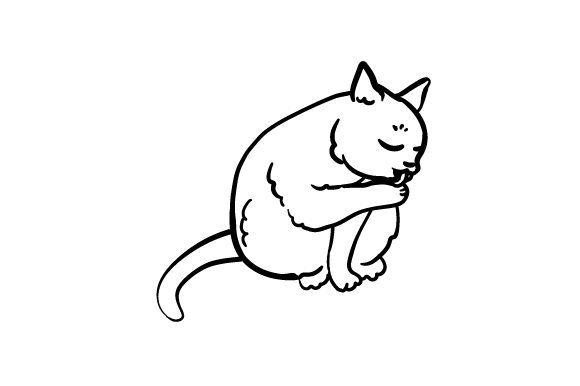
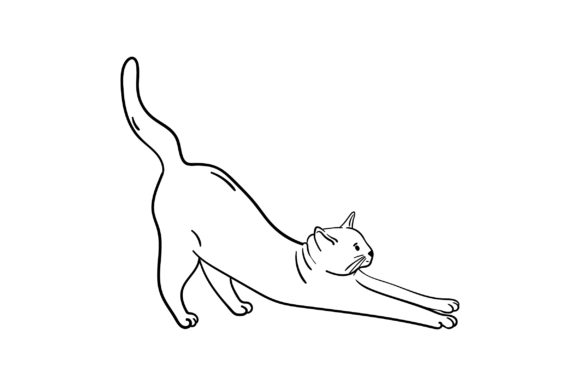
When I first opened the Cat Stretch embroidery design file, I was immediately drawn to its playful yet refined aesthetic. The design captures the essence of a cat in motion—stretching with grace and curiosity. It’s not just a cute image; it has a subtle charm that feels approachable and versatile. The layout is balanced, with enough detail to make the cat look realistic but not so intricate that it becomes overwhelming for most embroidery projects.
The mood it creates is light-hearted and whimsical, which makes it ideal for items like custom apparel, personalized gifts, or nursery decor. Its visual personality suggests a design that would work well on both children’s clothing and adult products, as long as the context matches the tone.
Real-Life Scenario: Custom Embroidered Tote Bag
I imagined using Cat Stretch for a custom embroidered tote bag meant for a small boutique. The tote would be used as a promotional item, so it needed to be eye-catching yet professional. After importing the design into my embroidery software, I noticed how well it scaled without losing clarity. The lines were crisp, and the details—like the cat’s ears and tail—were defined enough to stand out even on a larger surface.
One thing I considered was the fabric choice. For a tote bag, I would go with a medium-weight cotton canvas. I would also use a stabilizer to ensure the stitches held up under frequent use. The design didn’t have any overly dense areas, so stitch density wasn’t an issue. However, I would test it on scrap fabric first to confirm how the thread colors contrasted against the background.
Another consideration was placement. I thought about centering the cat on the front of the tote, maybe adding some complementary text or graphics around it. This would help maintain balance and prevent the design from feeling too isolated.
Where Cat Stretch Shines
Cat Stretch performs exceptionally well in several real-life embroidery situations. It works beautifully on custom apparel like sweatshirts, t-shirts, and caps. Its clean lines and moderate level of detail mean it won’t get lost on darker fabrics or busy patterns. It’s also a great fit for embroidered patches, pillow covers, and tea towels—all of which are popular among Etsy sellers and craft business owners.
For handmade products like baby clothes or holiday gifts, the design adds a touch of personality without being too complex. I can see it being used as part of a holiday embroidery collection or as a standalone personalized gift. It also fits well into small shop product lines, especially if paired with other animal-themed designs.
In terms of commercial embroidery, this design could serve as a branding element for a boutique or a craft fair product. It’s versatile enough to appeal to a wide audience while maintaining a cohesive style.
Areas to Use with Caution
While Cat Stretch is a strong design, there are a few scenarios where extra care should be taken. For instance, when using it on small hoop sizes, I’d recommend simplifying the design slightly or resizing it carefully to avoid losing definition.
On textured fabrics or thin fabric, the design might not stitch as cleanly, so testing it on a sample piece first is crucial. Similarly, stretchy fabrics may cause the design to distort unless a proper stabilizer is used.
If the design is applied to dark fabric, I would suggest using white or light-colored threads to ensure visibility. Also, for curved surfaces like caps or layered garments, adjusting the stitching technique might be necessary to maintain the design’s integrity.
Visual Appeal and Professionalism
The Cat Stretch design contributes positively to the visual appeal of any project. It brings a sense of fun and creativity that elevates handmade products, making them more engaging for customers. Whether it's a personalized gift or a small shop product, the design helps establish a unique identity.
From a professional standpoint, the design feels polished and ready for use. It doesn’t require excessive customization, which is a plus for craft business owners who want to produce items efficiently. The design also supports brand consistency when used across different products or collections.
For digital product sellers, the availability of multiple file formats (SVG, PNG, EPS, DXF) ensures compatibility with various platforms and tools. This makes it easier to create printable mockups or design assets for online listings.
Practical Embroidery Designer Notes
Before using Cat Stretch in a real project, I recommend the following steps:
- Test on scrap fabric: Always test the design before committing to a final product, especially if you're using a new fabric or thread color.
- Check thread color contrast: Ensure the thread colors used match or complement the fabric background.
- Review stitch density: If the design has dense areas, adjust the stitch settings accordingly to avoid puckering.
- Confirm hoop size: Make sure your hoop can accommodate the design without stretching or distorting it.
- Inspect small details: Look closely at the design to ensure all elements are clear and visible after stitching.
- Test in black and white mockups: This helps identify potential issues with contrast or detail visibility.
- Compare on light and dark fabrics: Some designs look better on certain backgrounds, so testing is key.
- Use proper stabilizer: Especially important for stretchy or thin fabrics.
- Check licensing: Before selling finished items or digital products, confirm whether the design allows commercial use.
By taking these steps, you’ll ensure that Cat Stretch looks its best on every project, from handmade products to commercial embroidery applications. It’s a solid addition to any designer’s toolkit, especially for those working in the Animals and Crafts categories.